BODY OF WORK: HOW THE ALBUM OUTPLAYED THE ALGORITHM.
BODY OF WORK: HOW THE ALBUM OUTPLAYED THE ALGORITHM.
“As of 2026, the album feels, in many ways, stronger than ever and getting stronger. Vinyl is back. Eight to twelve tracks per album is back. Sleeve notes are back. Cover art is back. The concept album is back. The classic album may even be back. This is good for artists and good for fans. And good for the music business once it realises fully what has happened here”.
“Why does the album endure in the streaming age? Keith Jopling’s neat treatise on the album as an artistic format provides the answer, taking in the history of the album, the technological changes of the music industry, the artistic drive that the LP format fulfils and some personal reflections along the way. A clear headed summation of the album’s evergreen appeal” - Will Hodgkinson, Chief Rock & Pop Critic, The Times
“Keith Jopling, at once advocate and analyst, has written an affectionate and insightful account of the album’s survival in a hostile age of streaming and algorithms.” - Ludo Hunter-Tilney, Arts & Pop Critic, The Financial Times
“Body of Work is one of the most insightful books I've read about music, identity and the passage of time. Keith Jopling doesn't just analyse how we consume music; he explores why it matters. A rare book that leaves you thinking differently long after you've finished the final page” - Jonny Amos, music business educator and podcaster
Keith talks with Monocle’s Fernando Pacheco about Body of Work, Riding The Rollercoaster and The Art of Longevity podcast in the context of changes and developments in the music industry.
LISTEN HERE
“Body of Work is a celebration of the album - and a rejection of the naysayers saying the album is dead because of playlist culture. In many ways, the album remains more alive than ever, as Jopling argues. Still, when it comes to the cultural impact, there is a strong appetite for an LP.”
Fernando Pacheco
BODY OF WORK: AN ODE TO THE ALBUM IN THE AGE OF STREAMING AND A.I.
BODY OF WORK: AN ODE TO THE ALBUM IN THE AGE OF STREAMING AND A.I.
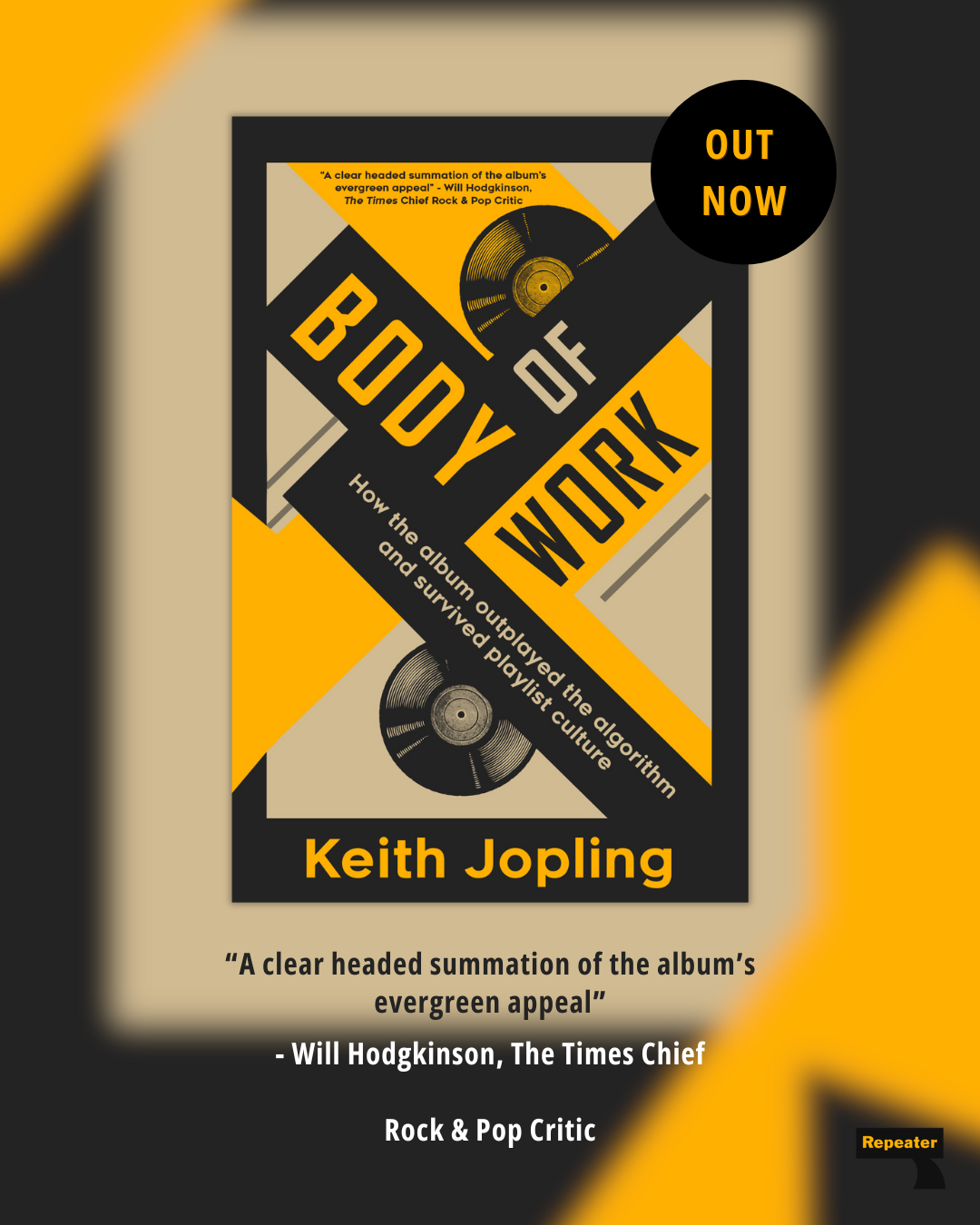
An alternative history of the album, focussing on the format’s turbulent life through the digital music era since 1999 through to today, Body of Work explores why we should still bother to listen to music in 40 minute chunks.
The album is a perfect vessel for the art of song. It is the format all artists aspire to, even after nearly three decades of being hammered by the onslaught of digital music. As of 2025, the album is still strong and getting stronger. Jack Antonoff, one of the music world’s most successful producers, collaborators and a substantial music artist in his own right (under the artist name Bleachers) knows this. He recently expressed, in no uncertain terms, that “the album is God.”
In Body of Work, Jopling tells music industry insider stories, concisely sums up cultural and commercial trends, retells the album’s history in a fresh and personal way and looks to its future. The book takes on the absurdity of measuring album sales in the subscription market dominated by Spotify (which doesn’t report albums sales). It draws on dozens of in-depth interviews with established music artists about why the album is still, indeed, God, and why it probably always will be.
BOOK LAUNCH GALLERIES AT KOKO, CAMBRIDGE AUDIO & 21 SOHO

WRITE CLUB PICTURE GALLERY
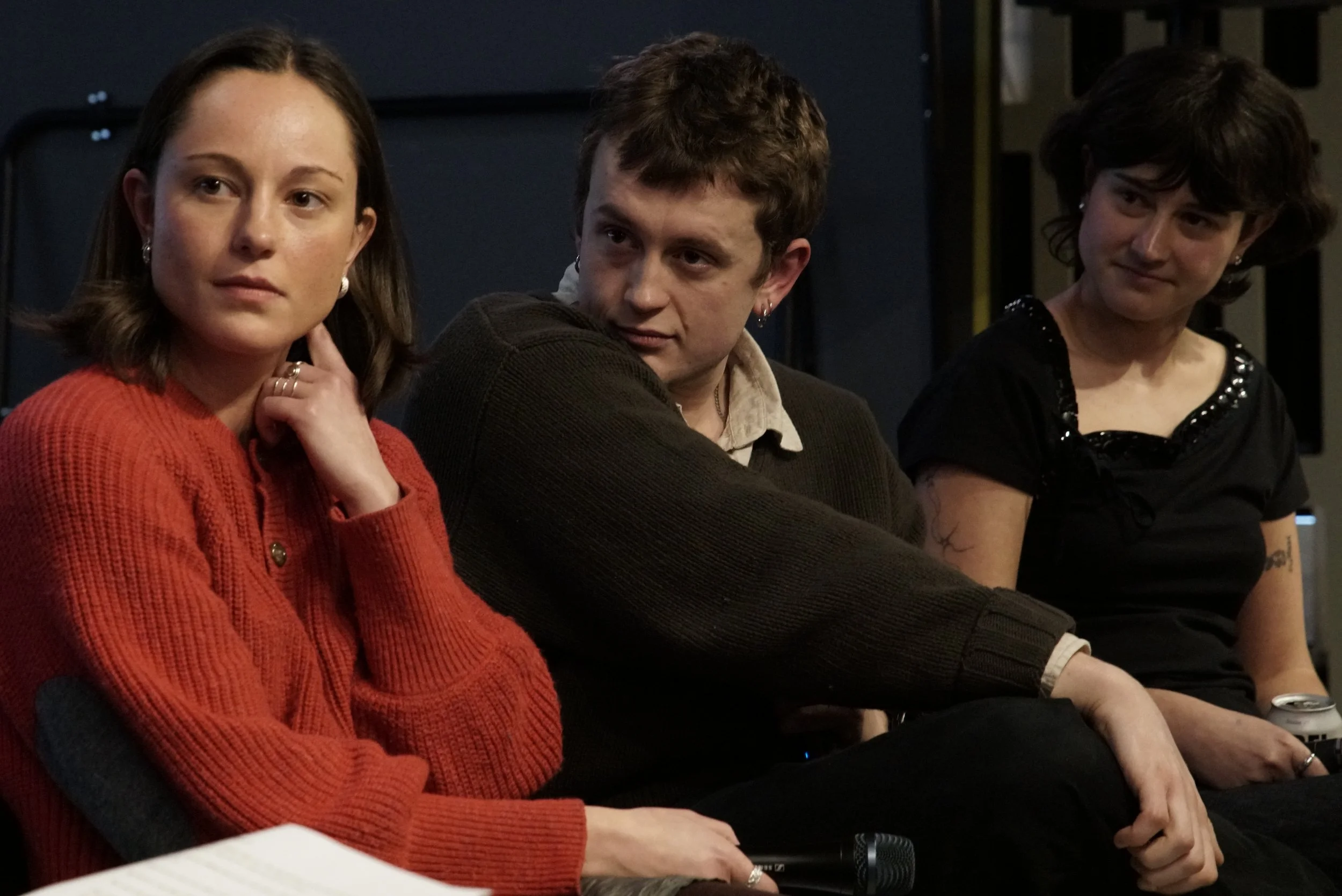
LAUNCH PART WITH THE ORIELLES PICTURE GALLERY
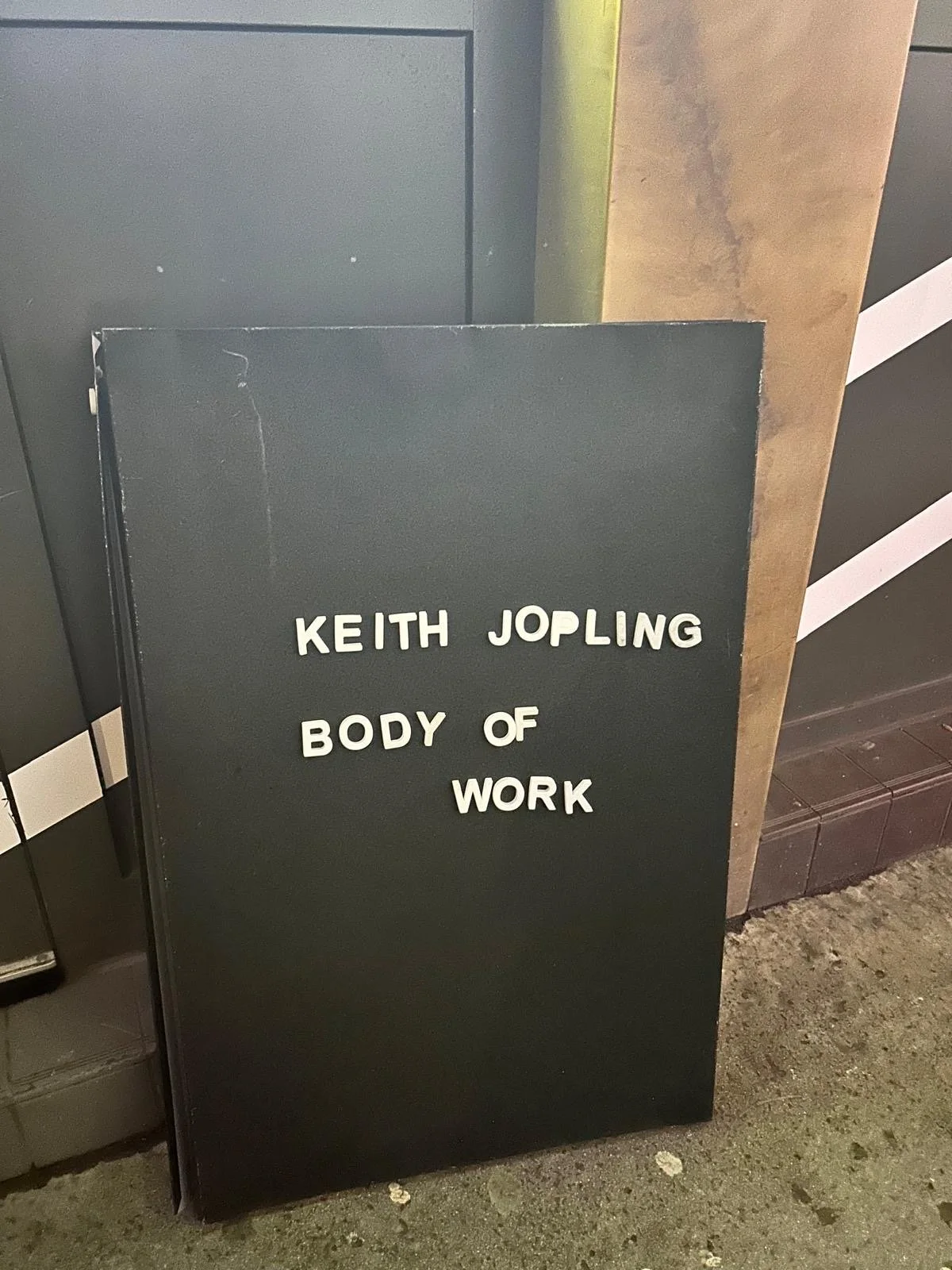
LAUNCH PARTY 21 SOHO
FEATURED PODCASTS ABOUT BODY OF WORK
“Body of Work is a rare combination of industry insider knowledge, research, personal history and just good old-fashioned warmth. Like any classic album, it’s beautifully coherent, features a few wonderful diversions, and is exactly the length it needs to be!” - David Barker, Founder of 33/1/3rd series
"The internet can scale just about anything but it can't scale the intimacy of exploring an artist's body of work, and the album's resilience is captured in this remarkable book" — Will Page, author of Tarzan Economics
“Jopling explores why the album is the historical anomaly that battled through multiple format shifts to (mostly) endure artistically, culturally and economically. Body Of Work is part eulogy for the album's past glories and part electioneering for the album's future relevance” - Eamonn Forde, The Guardian
"This book made me fall in love with the art of the album again, and I'm sure it will do the same for you. A must read for any true music fan" - Shain Shapiro, author of This Must Be the Place
THE REVIEW ESSAY
Keith Jopling's "Body of Work" is a love letter to the music album
By Adrian Strain | 6 February 2026, on Linked_in
Keith Jopling is sprawled on his living room floor listening to Kate Bush’s album, Hounds of Love. Beside him, flat on the sofa, is his teenage daughter. Through a vinyl turntable and some ageing B&W speakers, Keith is trying to demonstrate the unbeatable joy of a 40-minute uninterrupted album.
This is the opening vignette from Jopling’s new book, Body of Work. It’s a love-letter to the album, but it’s also an insightful analysis of the changing ways we listen to the music we love.
The book asks the question: do albums matter any more? Buffeted by a perfect storm of song-streaming, dwindling attention spans, playlists, algorithms, passive listening, commercial pressures and, more recently, AI, is the album format still relevant beyond a few nostalgic devotees?
Jopling’s answer is yes – but it’s not so simple. Many would have expected streaming to kill off album. However, despite the pressures, the format is still popular, recognised for its cultural value, embraced by young fans as well as old, and passionately defended by many artists.
The book is steeped in knowledge of the music business, drawing on the author’s years working at Spotify, Sony and the record industry trade body IFPI. It travels succinctly over the music industry’s roller-coaster ride in the digital age. From the invention of iTunes to the arrival of streaming, it pulls out the landmarks since internet piracy came close to demolishing the whole industry.
The book hops nicely between analysis and fly-on-the wall stories and anecdotes. There are conversations overheard in the local record store, as a new customer struggles to find the right album for her jazz-loving husband. There are insights on grassroots artists for whom selling 200 vinyl albums at £30 will still make more money than a million streams.
And there is a record company exec, back in the pre-streaming days, who when asked about saving the future for CDs, takes a disc off a pile on his desk, violently hurls it against the wall and tells Keith: “it’s too late”.
Jopling shows that, for all the threats, the album has always had powerful support from influential artists. Adele defended her right to preserve the order of listening to her songs, instructing Spotify to remove the shuffle button from her 2021 album, 30.
Others have innovated with the format. Beyonce’s secretly-planned 2013 album released with videos on iTunes, was a historic success. Radiohead famously invited fans to pick your price for their album In Rainbows. U2 tried a different but failed experiment, pinning their album to all iTunes accounts whether subscribers wanted it or not.
The book is especially good in dissecting the chess-game that played out between fans, artists and streaming services, shaping the destiny of the album format.
Spotify, Apple and its rivals revolutionised music listening. They made music cheap – all songs everywhere, for a monthly fee – and totally convenient. The alternative, vinyl albums dropping lovingly on a turntable and costing £30, are a different thing, as Jopling acknowledges. But the albums have sat well alongside streaming. Vinyl has led the charge. In 2022 global sales of vinyl overtook CDs, for the first time.
The book shows, though, that even if artists like albums, the long-form format work is still alien to many.
With the convenience of streaming has come a new kind of passive listening: of playlists, royalty-free tunes for the “lean-back” consumer, and short form formats like Tik Tok.
But Jopling’s book is a love-letter as much as a business analysis. The album is about more than convenience, the book says. “Why must everything be so damn easy? So much so that we forget to care about anything”.
AI, for once, is not addressed in this book. But Jopling’s central theme, of the album’s cultural status enduring the “lean back” streaming world, fits well with the music industry’s arguments today on AI.
Streaming services are already deluged by an “AI slop” made up of millions of songs. But a backlash is already afoot. As heard at the Music Ally Connect conference last month, industry advocates argue that what fans and artist want now is not machine-made songs, but authenticity and depth.
Looking to the future, we are left on a cliff-edge: “Many in the music business predicted that the album would weaken, even kill off the album format. Like a lot of things in today’s polarised world, it’s both true and not true.”
The book ends with Keith back on the sofa. He puts a new record on the turntable and concludes with a self-help message: “Put the phone in the other room, or turn the damn thing off. Put routine listening sessions into the calendar – once a week would be a start.
“I can’t think of anything more beneficial to anyone who calls themselves a music fan”.